Telemedicine in Emergency Triage: Promise, Pitfalls, and the Path Forward
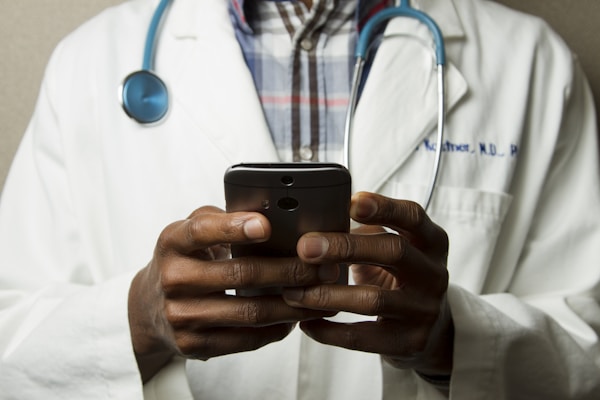
The pandemic permanently changed the landscape of telemedicine. What was once a niche service offered by a handful of health systems is now a mainstream component of healthcare delivery. But the application of telemedicine to emergency medicine — particularly emergency triage — presents unique challenges that deserve careful consideration.
The Case for Emergency Telemedicine
The appeal is straightforward. Emergency departments across the country are overwhelmed. Wait times are increasing, boarding is endemic, and patients with lower-acuity complaints are contributing to crowding that delays care for the critically ill.
Telemedicine-based triage offers a potential solution: evaluate patients virtually before they arrive at the emergency department, directing lower-acuity cases to more appropriate care settings and ensuring that those who need emergency care get it faster.
Where It Gets Complicated
The challenge is that emergency triage is fundamentally a clinical skill that relies heavily on visual assessment, vital signs, and the clinician’s gestalt. A patient who appears well on a video screen may be tachycardic and hypotensive. The subtle signs of respiratory distress, the pallor of anemia, the diaphoresis of a myocardial infarction — these are findings that can be missed without in-person evaluation.
Finding the Right Balance
The most successful emergency telemedicine programs are the ones that use virtual triage as a complement to, rather than a replacement for, in-person assessment. In our system, we use telemedicine to conduct initial assessments for patients who call before arriving, allowing us to provide pre-arrival instructions, recommend alternative care settings when appropriate, and prepare our team for patients who need immediate attention upon arrival.
The Regulatory Landscape
The rapid expansion of telemedicine has outpaced the regulatory framework. Questions about licensure across state lines, malpractice liability for virtual triage decisions, and reimbursement parity remain unresolved. These are not just administrative concerns — they have real implications for patient access and physician willingness to participate.
Looking Forward
Emergency telemedicine is here to stay. The question is not whether we will use it, but how we will use it wisely. That requires ongoing research, thoughtful implementation, and a commitment to measuring outcomes rather than simply expanding access.
The goal has always been better care for more patients. Technology should serve that goal, not complicate it.